Punch and Beat
Some games announce themselves with a slap to the face, and Dead as Disco does it with a kick drum. I had been circling around the title since the demo dropped, half expecting the rhythm gimmick to wear thin within an hour. It did not. By the time I finished my first full run on PC, my pulse was syncopated to the bass line and I had stopped checking the clock. Brain Jar Games has put something genuinely loud on the table here, an Early Access release that already plays like a finished product and behaves like a small cult.
What the game is about
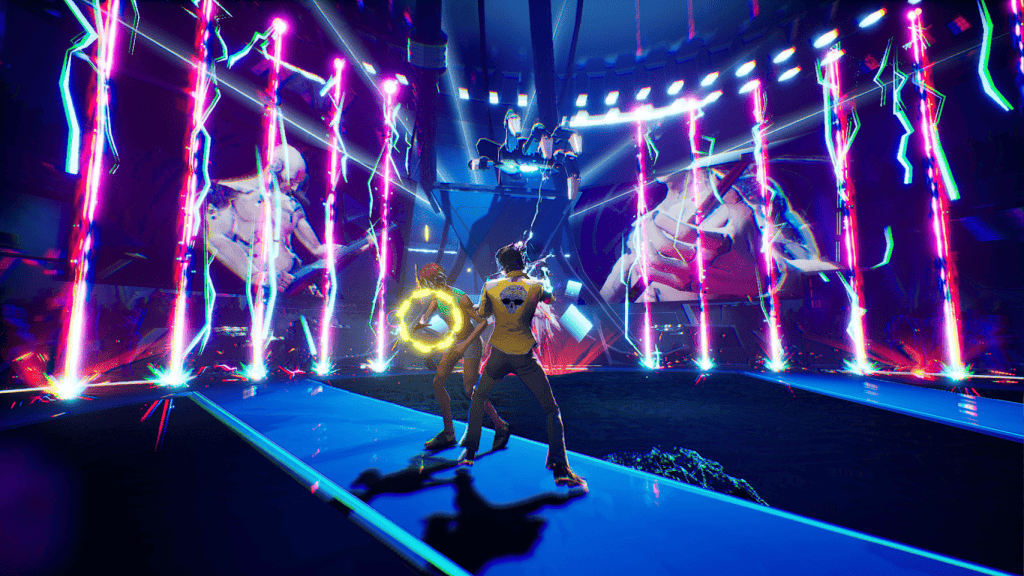
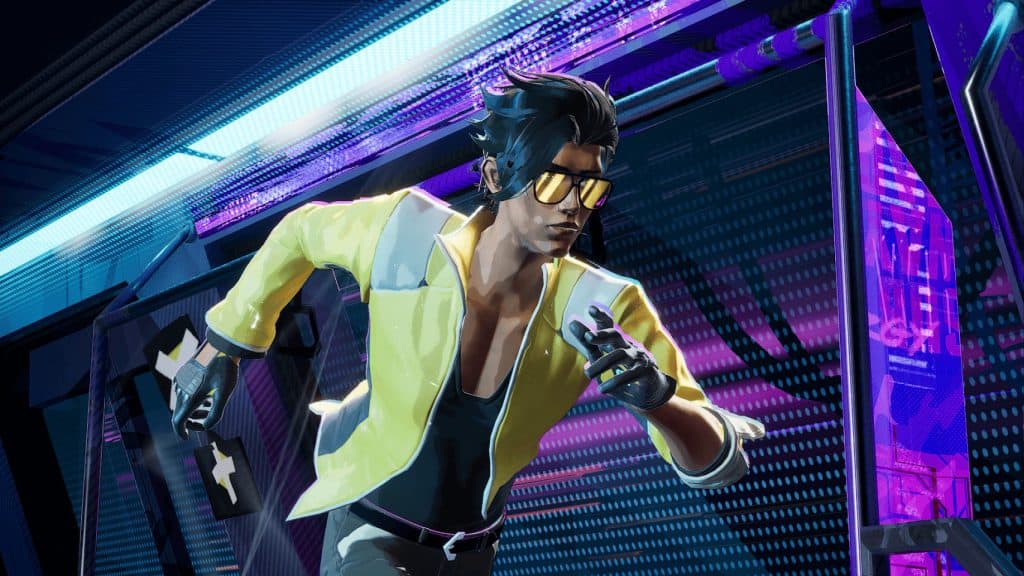
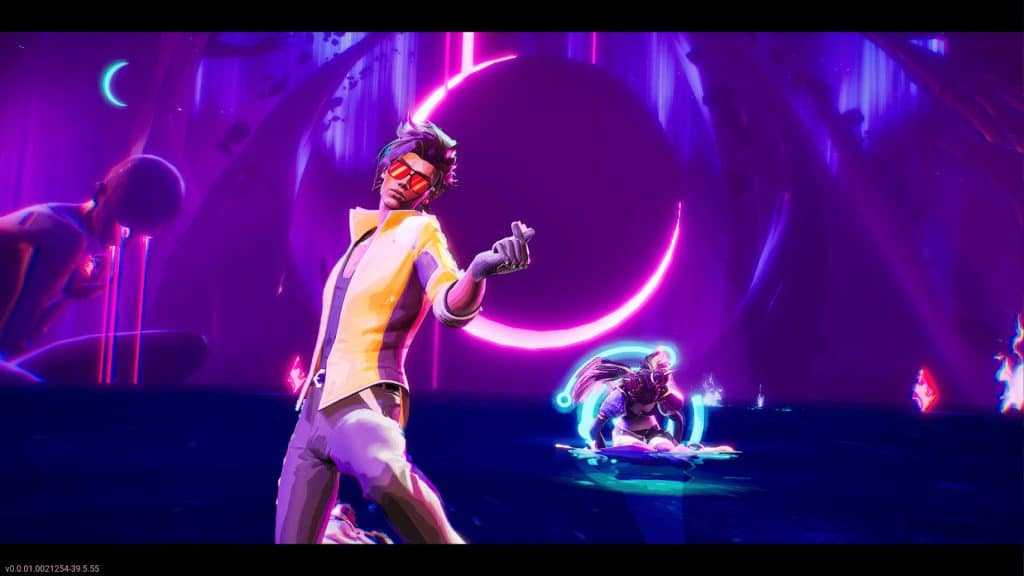
Dead as Disco casts you as Charlie Disco, a drummer who was, you guessed it, very dead. Ten years after the legendary band Dead as Disco crashed and burned, his former bandmates have reinvented themselves as solo superstars called the Idols, each one ruling over a different musical subculture. The reunion concert that is supposed to honour the late drummer becomes, on Charlie’s end, a one-night revenge tour through seven personalised music videos disguised as boss arenas. Behind that pulpy setup sits a quieter question about who actually killed Disco, and the answer keeps shifting depending on whose stage you happen to be standing on.
Gameplay
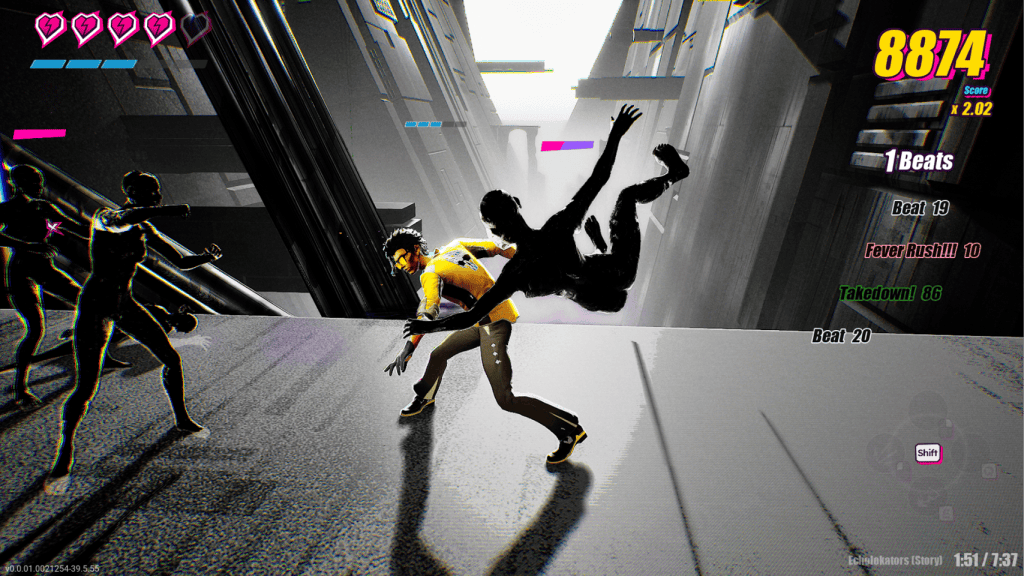
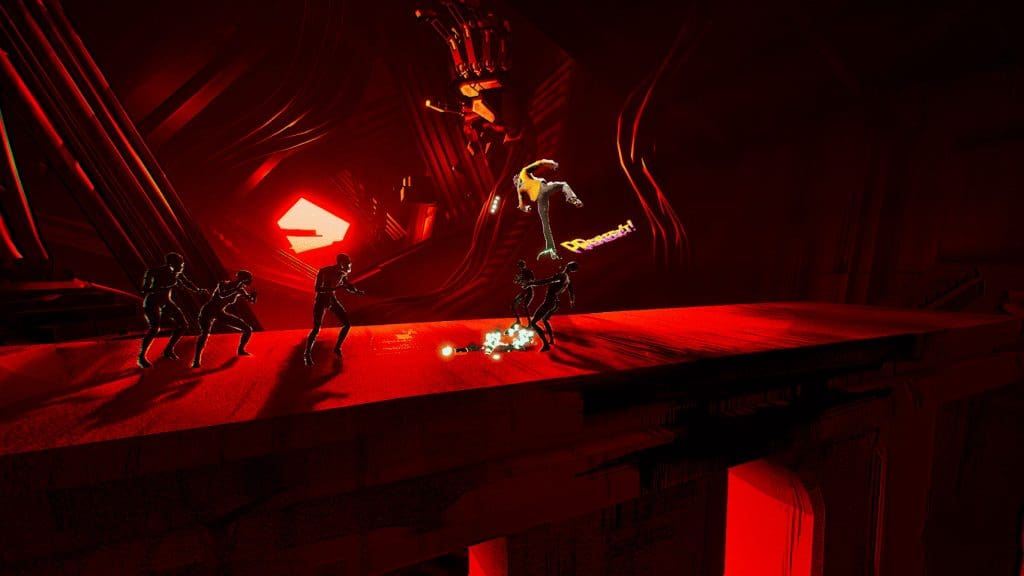
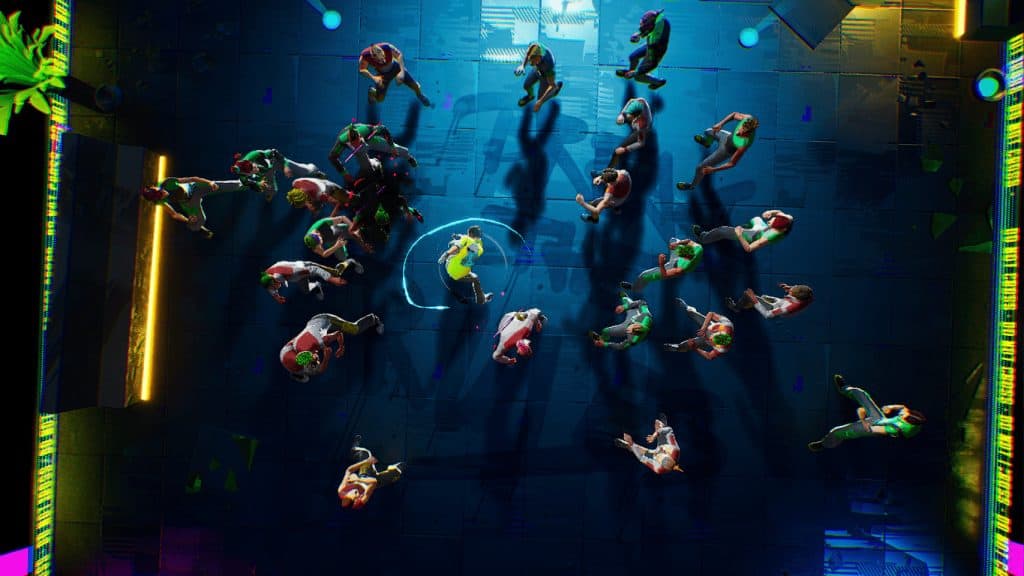
The combat sits somewhere between Sifu’s pristine close-quarters footwork, the free-flow chaining of the Batman Arkham games, and a metronome that refuses to shut up. Brain Jar calls it Beat Kune Do, and the joke lands because the system rewards musicality more than reflexes. Punches, dodges, parries, and traversal abilities all gain extra impact when they land on the beat, with sharper hit reactions, faster combo cancels, and a screen that visibly leans into your timing. Miss the pocket and the choreography crumbles into something messier and uglier. Lock in and the encounter starts to feel like you are playing rhythm guitar with people instead of buttons.
Free-flow target switching is fast and forgiving, but the depth comes from how each Idol’s stage mutates the rules. One arena shifts your effective tempo every few bars, another forces you to play counter on offbeats, another rewards extended improvisation. There is a proper skill tree per chapter, gear and outfit collection, and a Dive Bar hub you upgrade with memorabilia that gradually fills in the band’s history. Score Attack is the part that ate my evenings: the same encounter, dozens of replays, hunting a clean S-rank rotation that hits like a record.
The headline feature is the custom music importer. You can pull in your own tracks, and the game maps the combat tempo onto whatever you throw at it. I tested it with an Underworld set, a Charles Mingus record, and the entire Pinegrove discography, and the system held up across all three with very few false reads. A slow ballad turned a brawl into a tense duel of timing. A drum and bass track turned the same room into a panic attack with knees and elbows. UGC support extends past audio, with custom levels and music-video editing tools that I expect modders to bend in increasingly creative ways.
Story
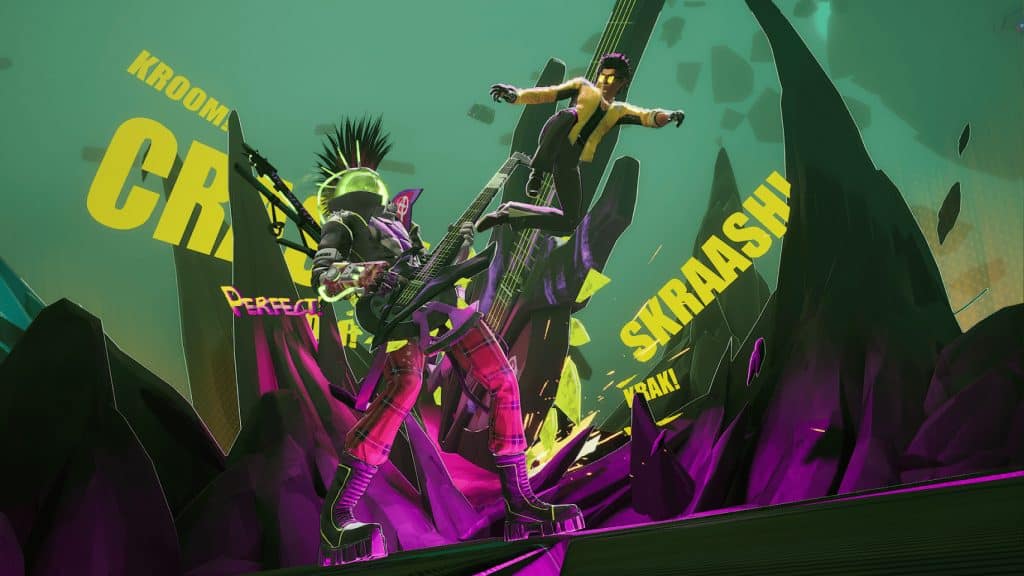
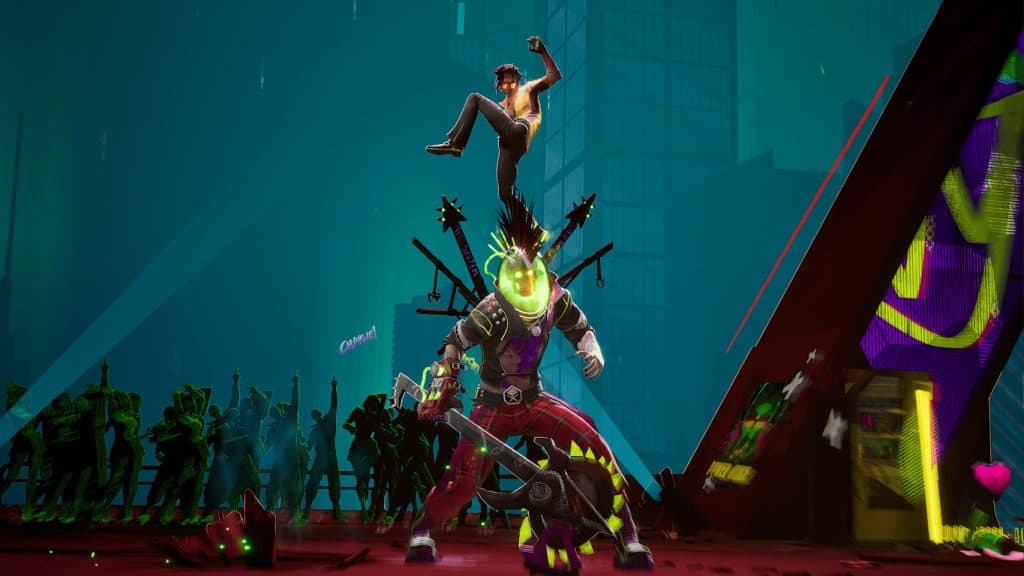
The narrative trick is that very little of it is told to you. Charlie barely speaks, the Idols address him obliquely, and most of the lore lives in environmental detail and the gear you scavenge. Each Idol embodies a genre that doubled as a personality during the band’s heyday, and their post-Dead reinventions read like a commentary on what the music industry does to artists after a tragedy. There is a punk who weaponised grief, a pop diva who built a fortress out of denial, a producer who turned the band’s archive into a personal brand. The drip-feed reveals about the night Charlie died are handled with restraint, and the final stretch reframes earlier fights in a way that made me want to start over immediately.

Soundtrack
The original score is the spine of this whole project and it earns its weight. Brain Jar leans into a multi-genre crew of composers and the result moves between filthy synth funk, surf-punk, and a fully orchestral act-three turn that I keep humming in the supermarket. The licensed selections in the rotating playlist are streamer-safe, which is a small thing that matters a lot if you record. Mix mastering on the boss themes is exceptional, with stems that dynamically duck and rise depending on combat intensity, so a finishing flourish actually drops the bass like a DJ. Headphones make a difference here, and a decent stereo setup makes a bigger one.
Player experience
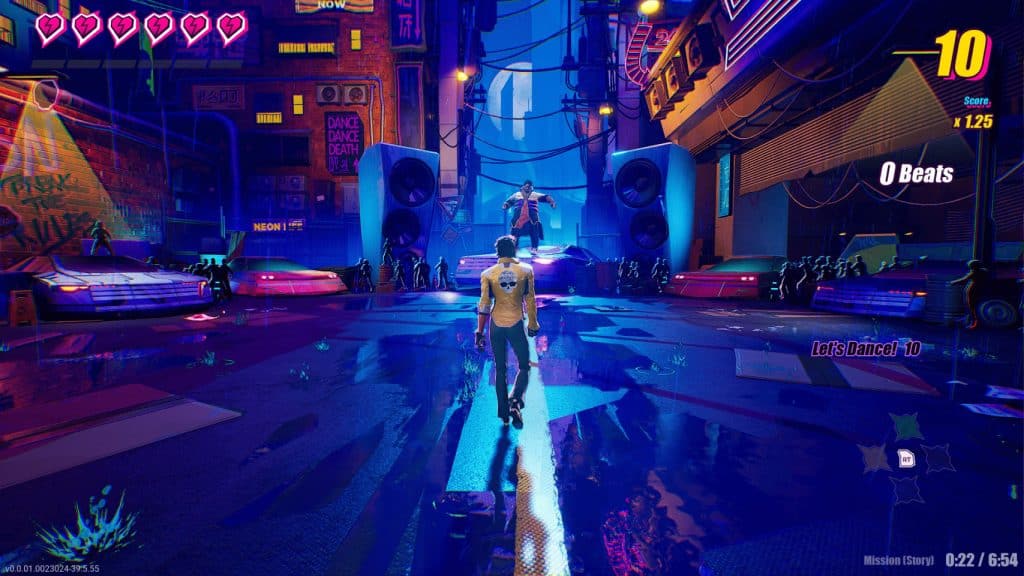
There is a beautiful flow state that the game cultivates with care. The UI is minimal at default, the visual cues are large and easy to read at speed, and the post-fight scoring screen tells you exactly what you missed without lecturing. I played most of the campaign with a controller, where the haptics on the DualSense really cook, then swapped to mouse and keyboard for the heavier combo memorisation, which is also fine if a little less expressive. Accessibility options cover assist-mode tempos, colourblind palettes, photosensitivity toggles for the more aggressive visual effects, and remappable timing windows for players who want a more generous read.
Visuals and art direction
The look sits in that confident space between cyberpunk billboards and an early 2000s music channel that never really existed. Character animation is dense with personality and the world is staged like a series of practical sets you walk between, all cables and lighting rigs and chrome. There is an anime-inflected line treatment on character art that pairs well with the wet, neon-soaked backdrops. The Dive Bar hub in particular is full of the kind of granular set dressing that rewards a slow walk between missions.
Performance on PC
This is where the Early Access tag occasionally shows. On a mid-range rig with a Ryzen 5 and a previous-generation Nvidia card, Dead as Disco runs comfortably at 1440p with the visual flair turned high, and the frame timing stays consistent during the busiest combat encounters, which is the part I cared about most given how tightly the game wants you on the beat. I ran into a couple of audio sync hiccups when alt-tabbing during a boss intro, fixed by a settings reload, and one mid-fight stutter that vanished after a driver update. Steam Deck performance, from what I have seen and the brief time I had with it on the handheld, sits in the very playable bracket once you cap the frame rate, and the smaller display is surprisingly kind to the readability of the rhythm cues.
Co-op and UGC
Shared and split screen co-op is the kind of feature I usually treat as a bonus checkbox, but here it actually transforms the experience. Trading lead vocals and rhythm section duties between two players, where one keeps the combo train alive while the other handles dodges and crowd control, gave me one of the best couch nights I have had in months. Remote Play Together extends that to friends across town. The UGC pipeline is where the longevity of this game is going to live. Custom music, custom stages, music-video editing tools, and a community already busy on Steam Workshop mean I will be checking back in for months instead of weeks.
Early Access caveats
There is a clear roadmap and Brain Jar has been frank about what is missing. Some Idol arcs end on cliffhangers that the roadmap promises to resolve, a few of the more ambitious stage gimmicks need balancing passes, and the higher difficulty tiers feel raw in a few rooms. None of this dented my enthusiasm, but it is fair to flag if you prefer your story modes neatly wrapped before you commit.
Verdict
Dead as Disco is the rare rhythm-action hybrid where the rhythm and the action treat each other as equals instead of one being the supporting act. It looks like a music video, plays like a great combat sandbox, and behaves like a working stage with room for the audience to climb on. The Early Access status is real and you will feel it occasionally, but the foundation is so confident and the loop so musical that I cannot imagine the full release doing anything other than making a strong thing stronger. If you have spent any meaningful time loving Hi-Fi Rush, Sifu, or any character action game that asks you to think in rhythms rather than reactions, this is essential. If you have never touched the genre, the custom music feature alone makes Dead as Disco the easiest sell I have made in a long while.