
Lights to Green
I came to #DRIVE Rally expecting a quick novelty and stayed for the better part of a fortnight, which tells you most of what you need to know before I get into the details. This is the second outing from Pixel Perfect Dude, the small studio that first made its name with the endless one-thumb driver #DRIVE, and the leap in ambition between the two is considerable. Where the original was a stylish time-killer, this is a fully realized rally game with stages to memorize, cars to tune, and a leaderboard that quietly ruins your evening once it gets its hooks in.
I played the Nintendo Switch 2 version, the build that arrived alongside the wider console launch on June 18, 2026, after the game spent a long, productive stretch in early access and reached its full release on PC the year before. That development history matters, because the version I drove is not a thin port of an unfinished idea. It is the matured, content-complete release, and it shows.
Setting the Scene
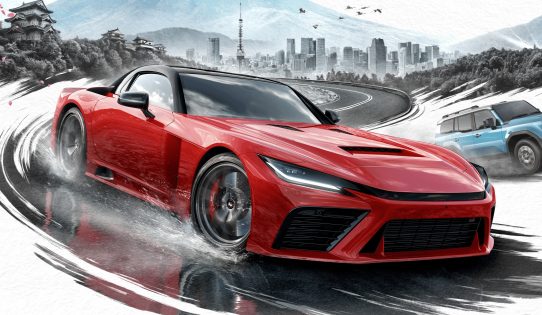
The pitch is simple and confident: rally as it felt in the 1990s, filtered through a low-poly art style and a sense of humor. There is no licensing here, and the game is all the more charming for it. Instead of real marques, you get loving caricatures with names like Das Holzwagen, The Doggo, and The Bobond, each an unmistakable wink at a famous machine from the era without ever saying so out loud. By the time I had earned the full roster, I had twenty-two cars to choose from, split across three performance classes that genuinely change how a stage plays rather than just bumping a top-speed number.
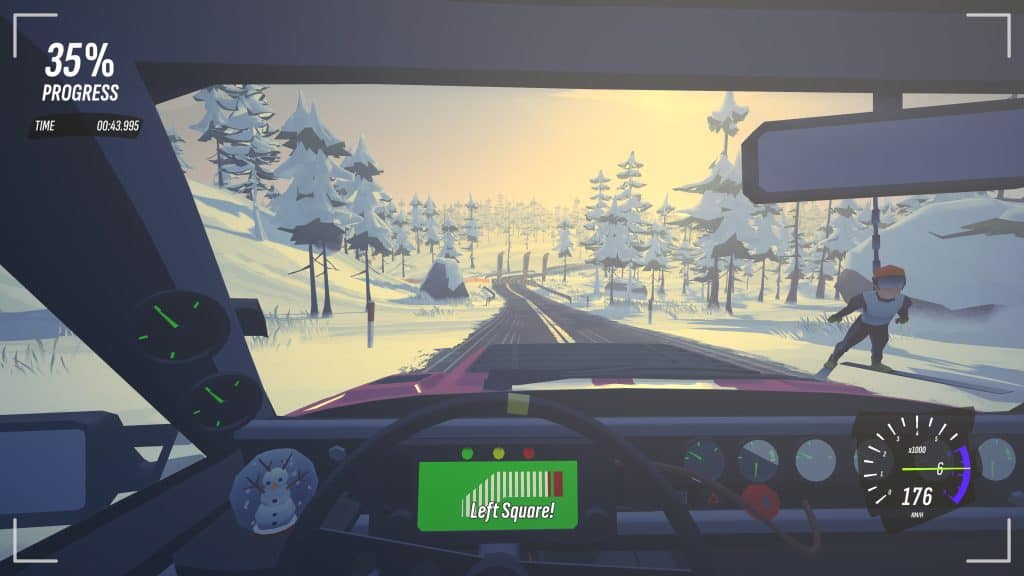
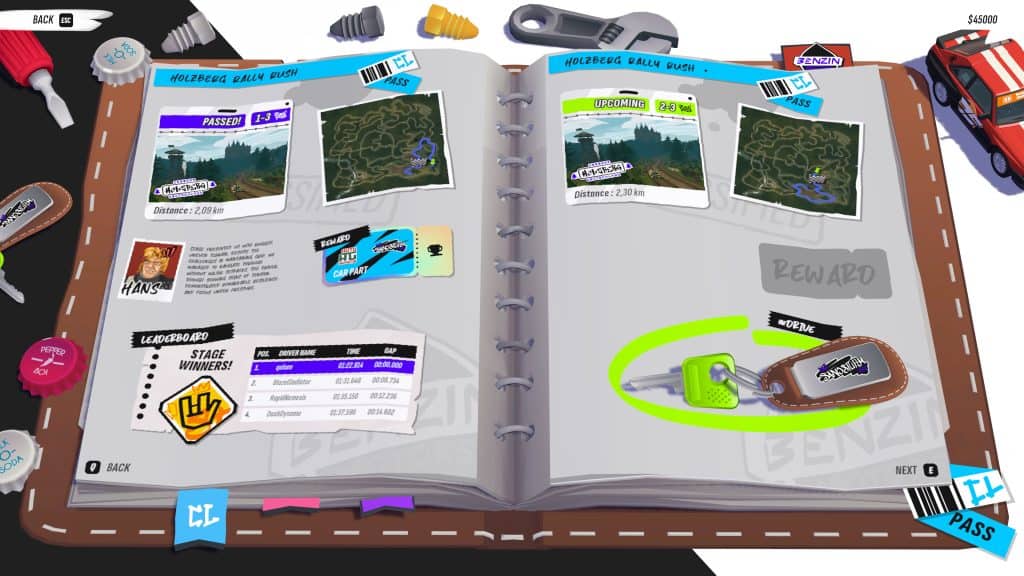
The world is built from six distinct regions, and they are doing real work to keep the eye engaged. Dry Crumbs bakes you in dusty, sun-bleached switchbacks. Holzberg threads you through cool, close-packed forest. Revontuli drops you into a pale northern wilderness where the grip vanishes the moment you stop respecting it. Across those locations sit twenty-four stages running anywhere from two to ten kilometers, which adds up to well over six hundred kilometers of road once you account for the variants and reversed layouts. That is a serious amount of tarmac, gravel, and snow for a game with this footprint.
You are racing the clock, never another car on the same stretch of road, and that focus is the whole point. Rally lives or dies on the relationship between you, the surface, and the voice in the passenger seat calling what comes next.
Behind the Wheel
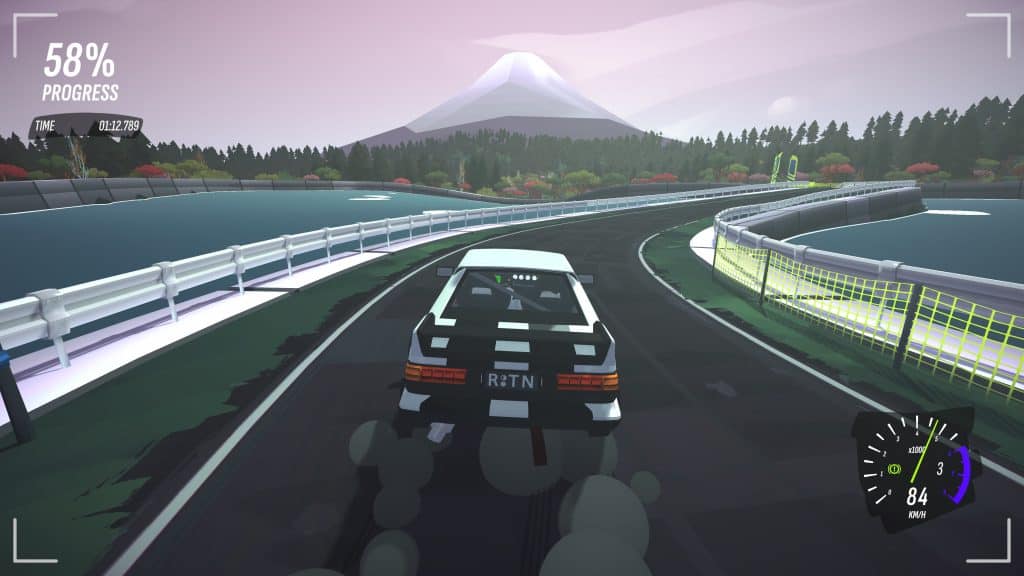
The handling is the reason to be here, and it is very good. Pixel Perfect Dude has landed on a model that reads as arcade at a glance but rewards a surprisingly technical hand. Weight transfer is the silent star: lift off before a tightening corner and the back steps out on cue, plant the throttle on exit and the car squats and fires down the next straight. Gravel asks for patience and a committed Scandinavian flick, tarmac wants tidy, minimal inputs, and snow turns every braking zone into a negotiation. Learning to feel those differences through the controller is where the game opens up.
The handbrake deserves a specific warning. It is more abrupt than you expect for the first hour, and I spent my early stages either under-rotating timid hairpins or spearing into the scenery. Once it clicks, and it does click, the cornering becomes a pleasure to chain together. The skill ceiling is real even if the floor is welcoming.
If I have a structural complaint, it is that the default difficulty leans gentle and the sense of outright speed stays modest in the lower classes. The game rarely punishes you hard enough to force improvement, so the pressure to get faster has to come from inside you and from the leaderboard rather than from any threat of failure. Drivers chasing a white-knuckle, simulation-grade fight will find this a softer experience than the presentation might suggest. I made my peace with that quickly, because the act of stringing a clean stage together is satisfying on its own terms.
The Co-Driver Beside You
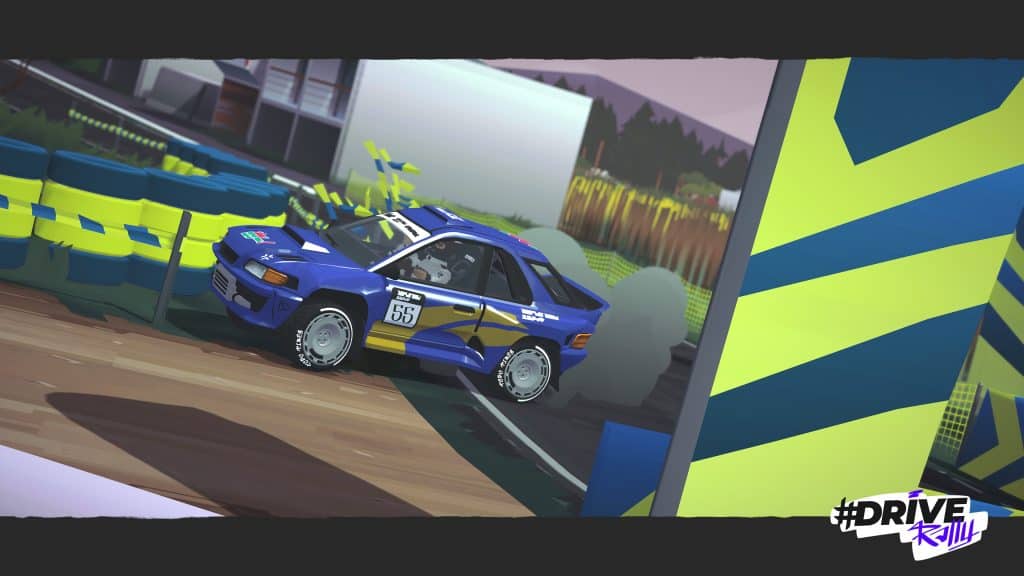
Every rally game stands or falls on its pace notes, and #DRIVE Rally gives its co-driver a personality rather than treating them as a robotic metronome. They cheer, they sigh, they react to your scrappier moments, and that emotional texture is genuinely endearing on a first playthrough.
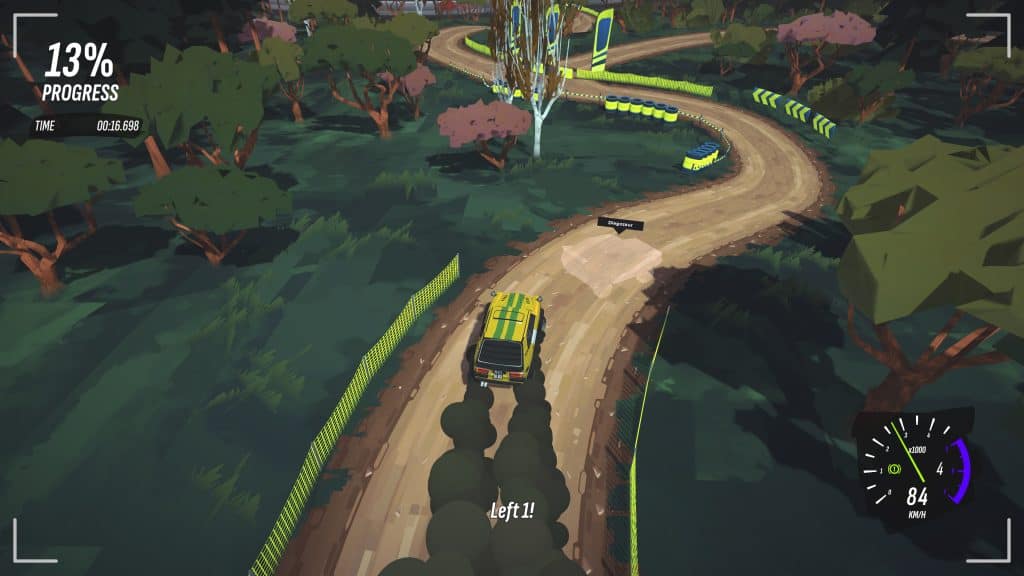
The flip side appeared once I started taking times seriously. The personality occasionally crowds out the function. Calls sometimes arrive a beat later than I wanted, the system does not chain instructions across linked corners (a “left two into right three” would smooth out the fast, flowing sections enormously), and now and then a quip steps on a note I actually needed. By my second region I was reading the on-screen corner icons as my primary source of truth and treating the spoken notes as colorful backing vocals. The charm survives the friction, but a small pass on call timing and density would turn a likeable feature into a great one.
A Story Told in Scenery
There is no plot here in the conventional sense, no cutscenes or characters working through an arc, and I would not want there to be. What the game offers instead is atmosphere with a clear point of view. This is a road movie about the golden age of the sport, and the narrative lives in the progression from a humble starter car to a fully built monster, in the slow accumulation of stage knowledge, and in the easy rapport you develop with the person reading the route. The closest thing to a throughline is the championship structure, which strings stages into seasons and gives your improvement somewhere to go. It is light, and it is enough.
The Sound of the Nineties
The soundtrack is upbeat and funky, period-appropriate without leaning on the synthwave cliché that so many retro-styled games reach for first. It sets a sunny, forward-leaning mood that suits the driving rather than fighting it. More impressive to me is the surface audio. The change from the loose rattle of gravel to the smooth hum of tarmac to the muffled hush of snow gives you a second channel of feedback for grip, and once I tuned into it I was braking partly by ear. Turbo flutter and the off-throttle pops add character without becoming cartoonish. It is a clean, well-balanced mix that earns its place.
A Postcard at Speed
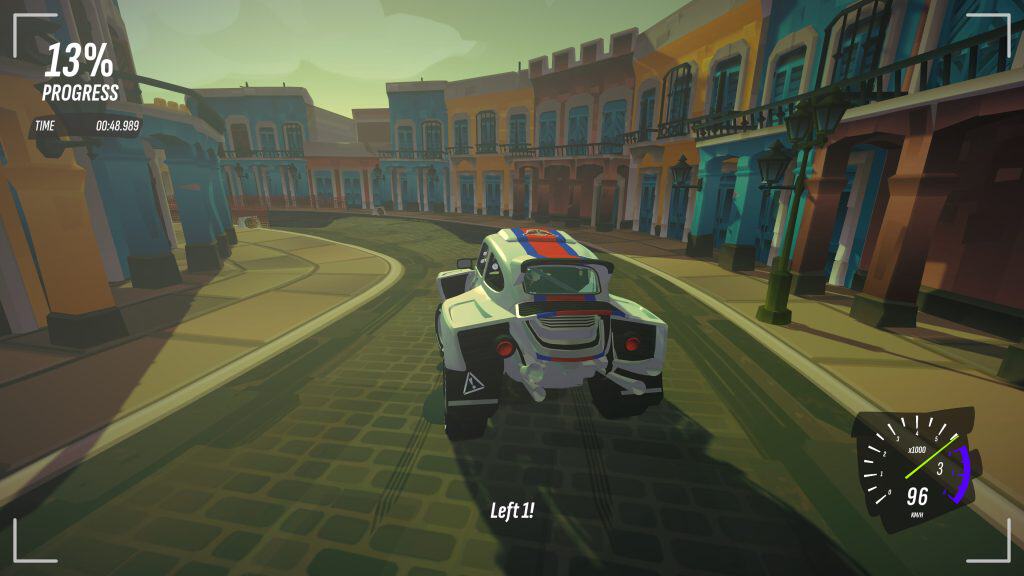
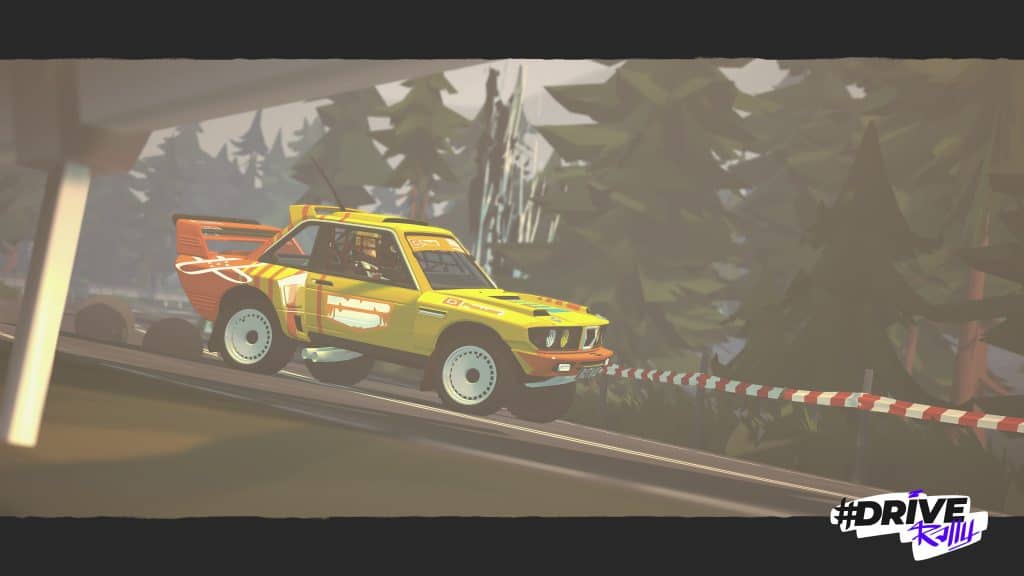
Visually this is one of the more distinctive racers I have played on the platform. The art direction uses a low-polygon foundation finished with a soft, almost cel-shaded lighting pass, so edges read as smooth and the color palettes stay vivid even when you are flat out. It avoids the cold sterility that often comes with stylized minimalism, and every region has a postcard quality that holds up at speed. Crucially for a game where you are reading the road meters ahead, the visual language stays legible: crests, braking markers, and corner shapes are easy to parse at pace. Style and function are pulling in the same direction here.
Building Your Ride
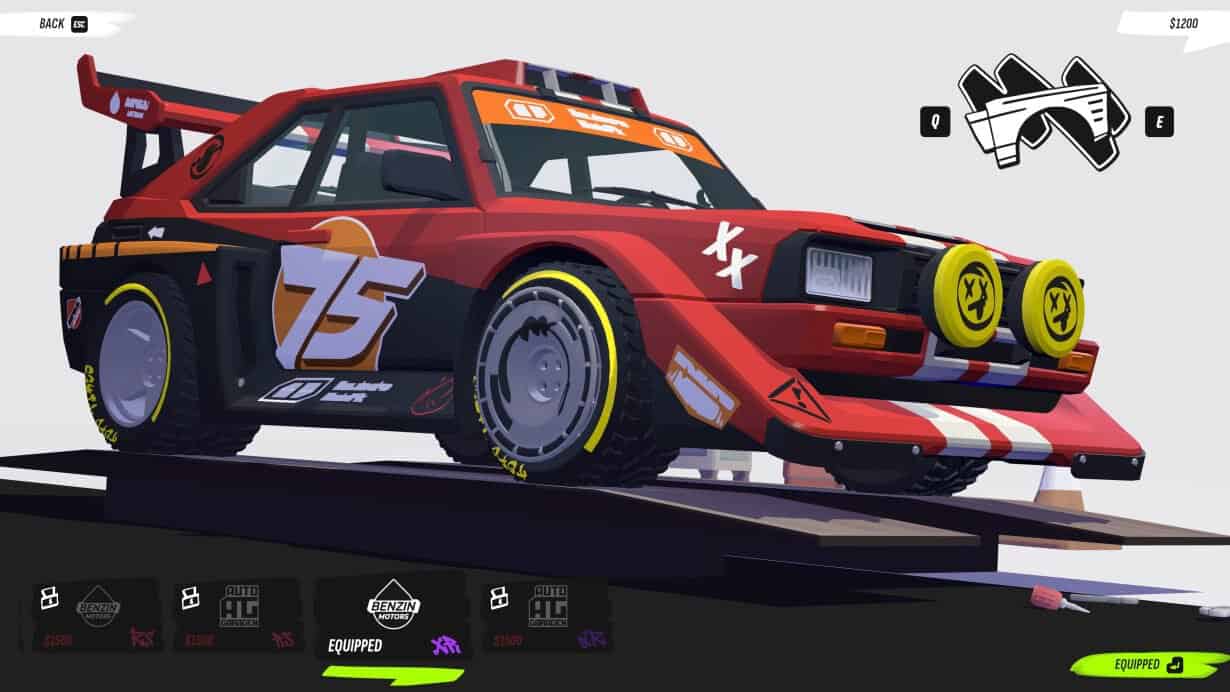
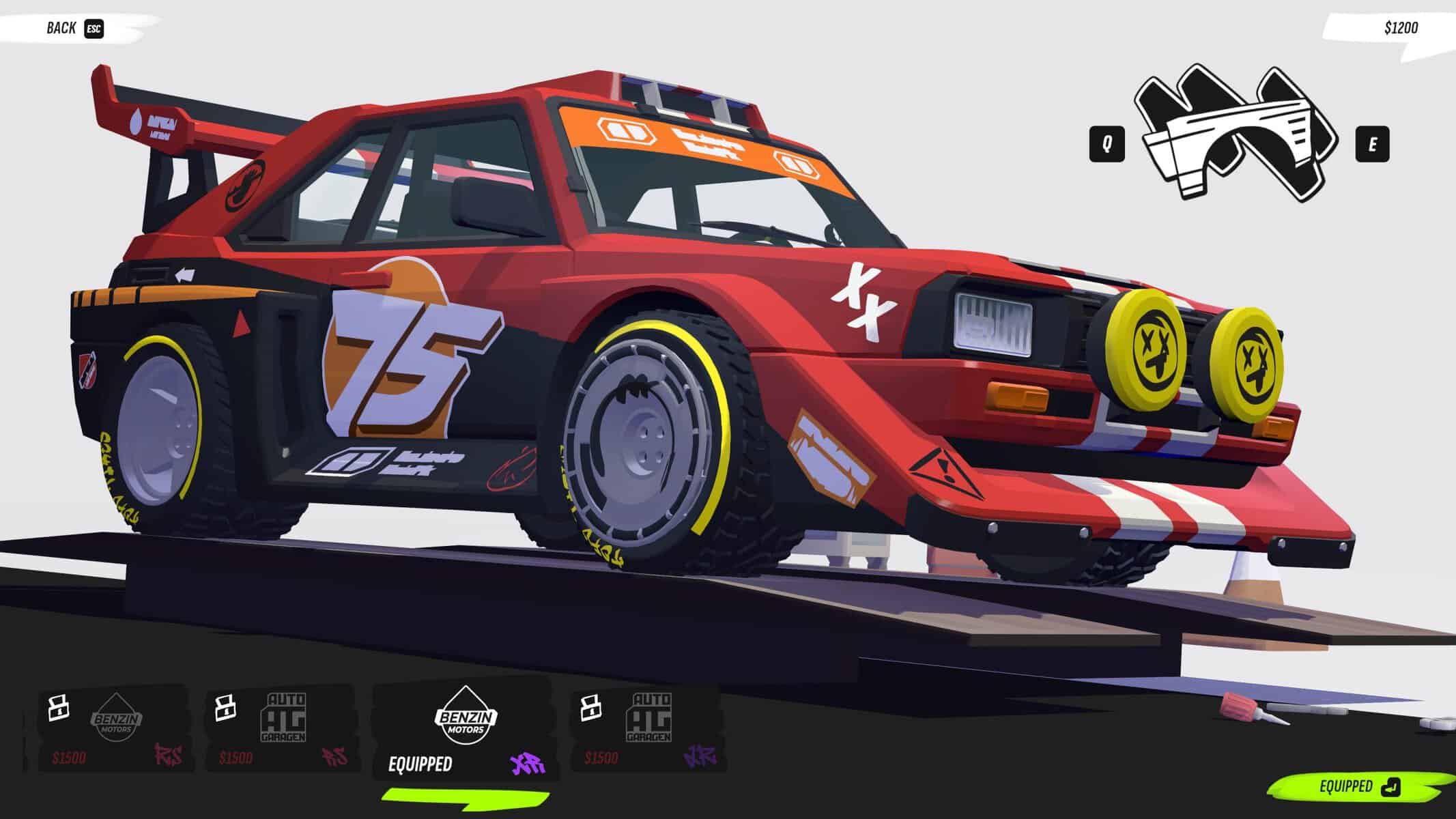
The customization is deeper than the cartoonish exterior implies. You can rebuild a car from the ground up and then dress it however you like, with control over the body, the paintwork, the decals, and a layer of decorative flourishes on top. I lost more time than I care to admit fussing over the livery on my favorite hatchback before a championship run. None of it is purely cosmetic theater either, because moving between the three classes meaningfully reshapes the driving job in front of you. The result is a strong sense of ownership over the car you bring to a stage.
How Much Road Is There
For a game this compact on storage, the content offering is generous. Beyond the championship spine there is a free-roam mode dotted with collectables for the explorers, local party play that gathers a group around a single Switch 2 for up to eight, and online leaderboards that supply the long-term obsession. The twenty-four stages reverse and recombine to multiply their value, and the genuine differences between classes mean a stage you have mastered in one car feels fresh in another. The replay loop is built on mastery and tenths of a second rather than on a constant drip of new content, so how long it holds you depends on whether shaving time is its own reward. For me it was.
Running on Switch 2
I reviewed this on Switch 2, and the practical picture is straightforward. The game ships as a Switch title that the newer hardware runs under its compatibility layer, listed officially as behaving consistently with the original system, and at a slim 1.2 GB it is no burden on storage. In handheld the soft, vivid art looks terrific on the larger screen, and docked play held a steady, confident frame through every surface and weather condition I threw at it. Load times are short, the controls map comfortably, and I never caught it stumbling during a fast forest descent where a wobble would have cost me a stage.
I will be honest about the ceiling: there is no advertised native Switch 2 enhancement, so you are getting a clean, stable presentation of the Switch build rather than a ground-up showcase for the new machine. In this case that is no great loss. The art style was designed to run light, and the experience on Switch 2 is smooth, sharp, and entirely free of the compromises that sometimes haunt racing games on portable hardware.
Living With It
What kept me coming back was the rhythm of it. A single stage takes a few minutes, which makes this an ideal game to pick up in handheld for one quick run that turns into nine. The gentle difficulty that I grumbled about earlier becomes a feature in this context, because the game never sours a short session with a brick wall. The challenge you opt into through the leaderboard is the part that gives it legs, and the satisfaction of finally nailing a sequence you have fluffed a dozen times is the good stuff that keeps rally fans loyal to the genre. After two weeks I still reach for it when I have ten minutes and the itch to slide a car sideways through a forest.
The Final Time Sheet
#DRIVE Rally is a confident, characterful rally game that knows exactly what it wants to be and very nearly nails it. The handling model is a joy, the art direction is gorgeous and functional, the surface audio is smarter than it has any right to be, and the Switch 2 version runs beautifully. It is held back from the top tier by a difficulty curve that asks too little, a co-driver whose timing and density need fine-tuning, and a sense of speed that takes a while to arrive. None of those keep it from being one of the more charming racers I have driven on the system, and the kind of game I happily recommend to anyone who has ever wanted to throw a 90s rally car into a slide without consequences.