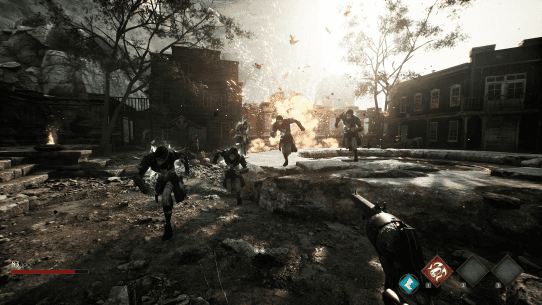


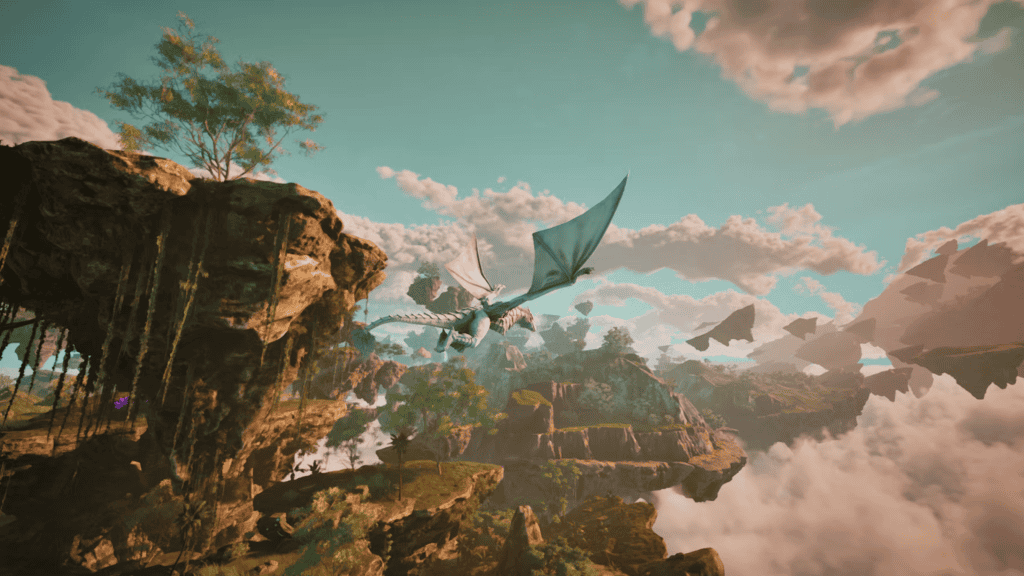
When Toronto-based indie developer Blue Isle Studios — the team behind Citadel: Forged With Fire — set out to make their next game, they didn’t aim small. Guardians of the Wild Sky is a creature-collecting, survival-crafting RPG set across a world of floating islands, mythic beasts, and fully modular airships you can crew with your own tamed companions. With a playable demo live now on Steam as part of Steam Next Fest (running February 23rd through March 2nd), and an Early Access launch on Steam due later this year, the game is finally in players’ hands for the first time.
We sat down with the team at Blue Isle to talk about what makes Guardians of the Wild Sky tick — from the custom technical solutions they had to build from the ground up, to what they’re hoping players will discover in those first sixty minutes with the demo.
In one sentence, what is Guardians of the Wild Sky—and what makes it different from other survival-crafting games?
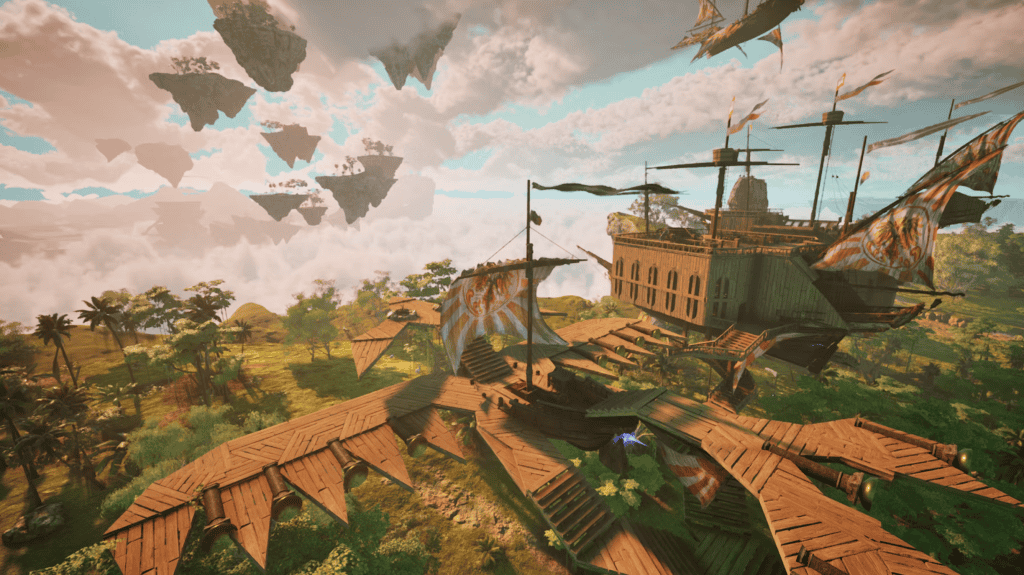
We’re probably one of the only creature collecting survival crafting game that also lets your guardians crew your own mobile airships and fully modular moving fortresses.
How was the process of developing the game? What challenges did you face?
Tons, but to name a couple in particular: unreal doesn’t support pathfinding on moving bases so we had to develop our own solution. Also with how big the world is, we had to come up with our own solution for representing massive continents in the distance without affecting the player’s performance. Working on citadel in the past we learned a lot of lessons on what to do differently and some of those lessons meant doing things in a very hard way to make sure the game was scalable. You can build a lot of structures in our game and shouldn’t see much of a slowdown, that’s because none of our structures are actors and are 100% represented by data underneath the hood. It’s not really the unreal way of doing things but it will amount to a better end user experience.
For someone playing the demo only: what are the 3 things you most want players to experience before the time cap hits?
Capture creatures and use them in your base. They can help in combat but also gather resources, build structures, help with crafting etc.
Explore the world! We have dungeons, altars, challenges, towns, questgivers, shops. There’s a whole rpg layer to this game that helps make it feel alive.
Build an airship and sail to a new island. Your creatures can help you build it, they can crew your airship and fire your cannons for you too, but nothing beats that first experience floating up to a new continent and hearing the music start.
What is the demo not showing on purpose—what major systems or content are being held back, and why?
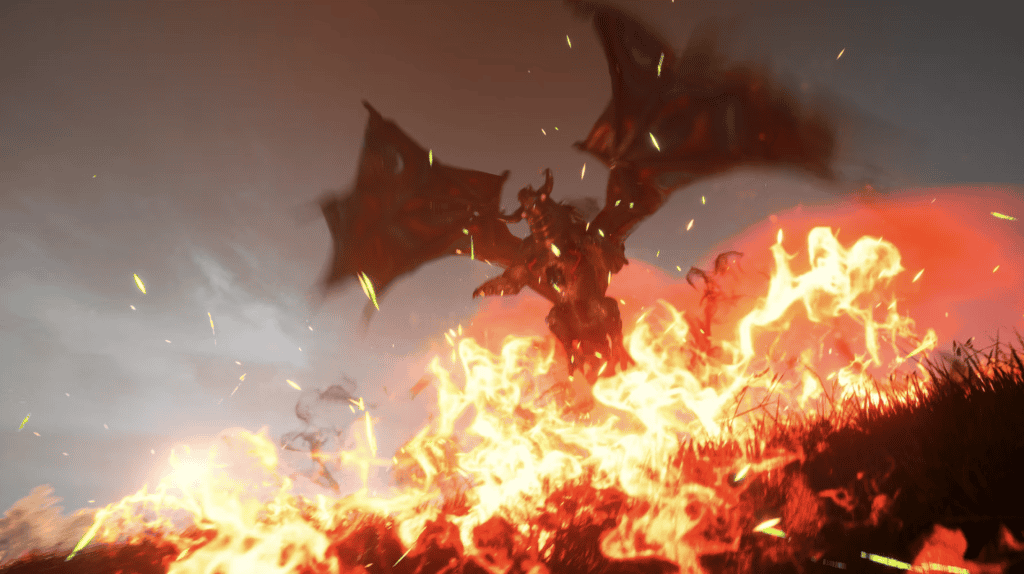
We’ve held back a lot of the world so many dungeons, bosses, guardians, quests, towns are not accessible. We also capped the game at level 20. The actual cap is 50 so there’s a lot of items and recipes to discover.
If a player only has 30–60 minutes, what’s the “ideal path” through the demo to understand the game’s core loop?
Spawn, capture a creature, find the whale, discover part of the map, fly to town, build a basic base, gear up and go slay the cultist titan.
What is the intended loop right now in the demo: tame Guardians → build base → build/upgrade airship → explore → fight? Which part should players prioritize?
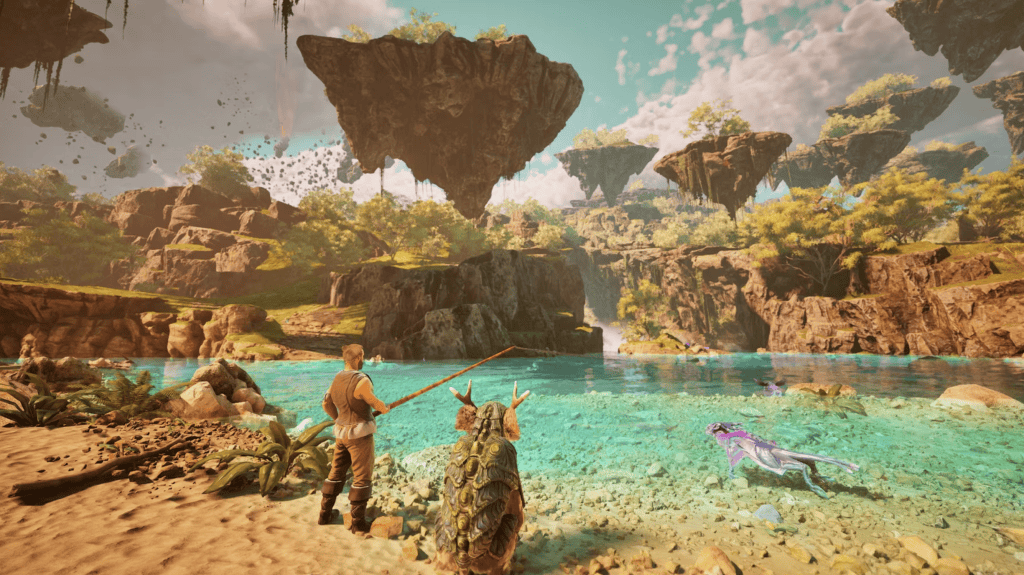
The current loop is focused around slaying or capturing creatures called “titans”. There’s many of them marked on your map, every time you fight new ones you probably have to come back to your base, tame guardians, manage inventory, gear up, craft new things you gained from exploring, find altars and then you can go face the next titan. Eventually you can face the eternals which are longer dungeons with bigger bosses. While heading to new titans there’s lots of opportunity to explore new towns, parts of the cloudsea, fight pirates, attack cultist camps etc. We have a lot of eye catching things that might pull you away from your original objective.
Crossbreeding and transformation are big hooks. How much of that depth is in the demo, and what’s missing compared to your real long-term vision?
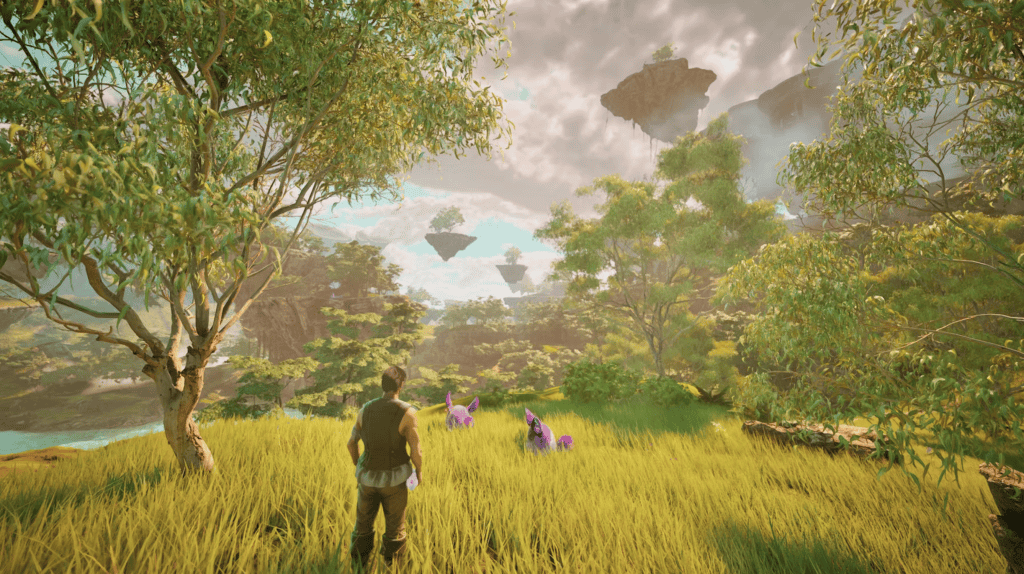
You can currently breed and incubate probably most creatures in the game if you spend enough time with the system, of course the inherited perks from the breeding system are another big reason to breed in addition to their genetics which affect the quality of stats you get. You can also ascend creatures to boost them further so you are given quite an opportunity to get attached to certain guardians.
Co-op is part of the pitch. What’s the best group size for the intended experience?
2-4 players I found is best, but we’ve designed the game to scale for higher. We’ll be distributing a dedicated server executable so communities can play. That’s why our social systems are structured with houses and parties. Players can form their own groups on a larger server, or just have one in their coop play. Parties (and therefore dungeons) are limited to 5 players at a time.
What are the top 3 pieces of feedback you’re actively looking for from players (controls/building UX, combat feel, performance, onboarding, progression pacing, etc.)?
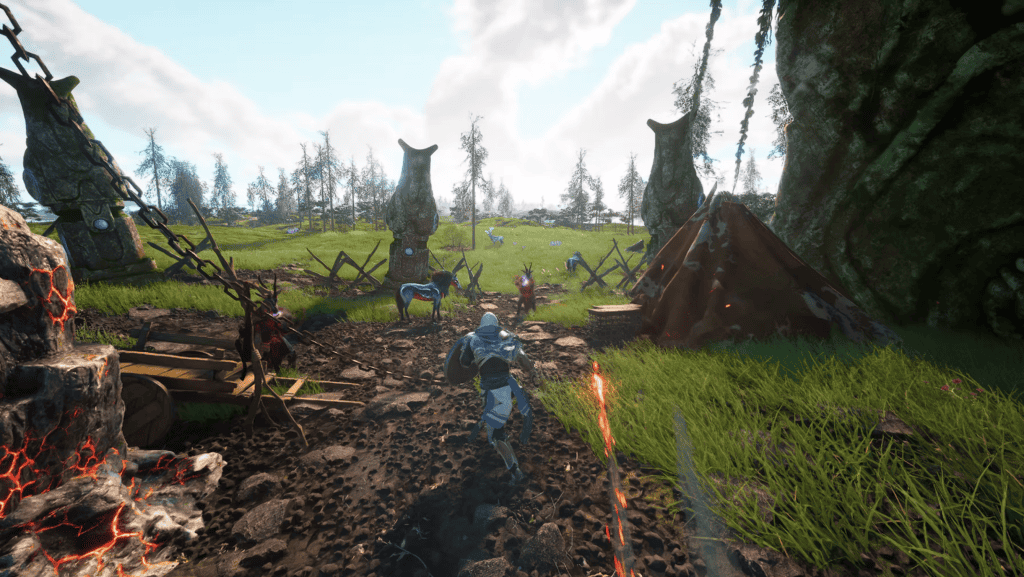
Telegraphing would be the biggest thing. We like to know when things are unclear and players are getting confused. Sometimes that’s not always obvious so we ask players for video so that we can watch them play. We often see a lot of things that aren’t mentioned by the player that way. We also love to hear from players about quality of life. Honestly quality of life is kind of one of those things players have come to expect and if we’re not hitting the mark, then we just have to make it a priority to do better.
What’s the one thing you hope players say after playing, and the one thing you’re worried they’ll say?
We spent so much time and effort trying to craft an immersive feeling world, so it’s something we love to hear about. I wouldn’t say we exactly worry about things players will say, at the end of the day any criticism is good criticism, but if I had to really be specific I’d maybe say criticism that is out of our control is a hard pill to swallow. If a user’s computer overheats and crashes, it’s probably their cooling, but they still might blame the game and leave a negative review. Our goal is to be respectful and supportive of any player’s problem to the best of our ability and address the most spoken about feedback first since review scores matter for the long term commercial success of the game and our ability to support it long term.
After Steam Next Fest, what’s the next step: what changes or additions are most likely to happen first based on demo feedback?
A lot of bug fixing first and foremost. We also have some work to do with our end game which we will be doing some more closed tests with prior to launch. We want to continue working on polishing our ui, adding gamepad support, and improving our localization (which is currently in rough shape due to loc QA just starting on it). Once most of that feels ready, we’ll build a roadmap to share with the public for when we launch. We have so much we want to do with this world still, the ideas are whirling.
Guardians of the Wild Sky is shaping up to be one of the more genuinely ambitious indie releases on the horizon — a game that isn’t content to pick a lane, blending creature-catching, survival crafting, airship building, and co-op RPG progression into something that feels distinctly its own. With a roadmap still being shaped by player feedback and a full Early Access launch on the way, it’s clear Blue Isle is building this one for the long haul.
The demo is available now on Steam through March 2nd as part of Steam Next Fest. If floating continents, loyal creature companions, and flying castles sound like your kind of adventure, now is a great time to jump in. You can wishlist the game on Steam and follow development updates across the studio’s official channels.
Guardians of the Wild Sky is being developed by Blue Isle Studios and is coming to Steam Early Access in 2026.